
Introduction
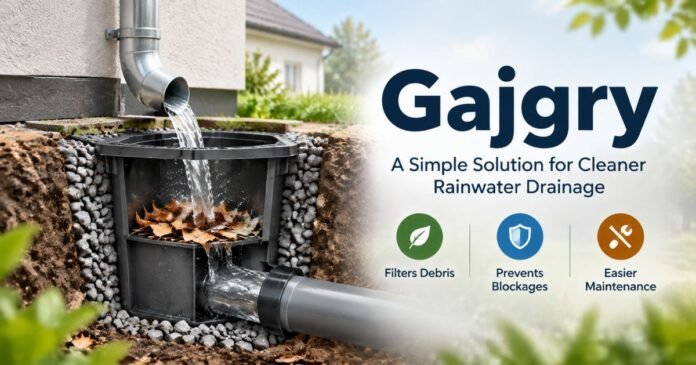
Gajgry are practical drainage components used to manage rainwater flowing from rooftops into underground drainage networks. Although they are often hidden after installation, these small systems help prevent blockages by collecting roof water and stopping larger debris from entering buried pipes.
When rain falls on a building, water usually travels from the roof into gutters, then through downpipes before reaching underground drains. During this process, materials such as leaves, dirt, moss, and small pieces of organic waste can enter the drainage system. Without protection, this debris can build up and reduce water flow. A gajgr provides a simple solution by acting as a collection and filtering point between the downpipe and the underground drainage pipe.
What Are Gajgry and How Do They Work?
The term Gajgry comes from Czech construction and drainage terminology. In English, similar products may be called a rainwater gully, roof-water catch basin, downpipe trap, or roof-debris collector. While names may differ, the purpose remains the same: managing rainwater efficiently while protecting drainage systems.
A typical gajgr is installed where the roof downpipe connects with an underground drainage line. Rainwater enters the unit from the downpipe, while heavier particles settle inside the collection area. Cleaner water then continues into the underground pipe system.
This design makes maintenance easier because debris can be removed from the gajgr instead of searching for blockages deep inside underground pipes. Regular cleaning helps maintain smooth water movement and reduces the chances of drainage failure during heavy rainfall.
Why Gajgry Are Important for Rainwater Management
Preventing Drainage Blockages
One of the main benefits of Gajgry is their ability to reduce pipe blockages. Roof surfaces naturally collect different types of debris throughout the year. Leaves, dust, and small branches can easily enter gutters and downpipes, especially during storms.
By capturing these materials before they reach underground pipes, gajgry help protect the entire drainage system. This is especially useful in areas with many trees or frequent rainfall, where debris accumulation can become a common problem.
Making Drainage Maintenance Easier
Underground pipe repairs can be difficult and expensive because damaged or blocked sections are not always easy to access. A gajgr creates a convenient inspection and cleaning point, allowing property owners to remove collected debris before it causes serious issues.
For residential buildings, offices, and commercial properties, this simple drainage feature can save time and reduce future maintenance costs.
Common Uses and Installation Areas of Gajgry
Gajgry are commonly used in different types of construction projects where effective rainwater management is required. They can be installed around houses, apartment buildings, warehouses, and commercial properties.
They are particularly useful in places where roofs produce large amounts of runoff or where underground drainage systems need additional protection. Proper installation ensures that water flows correctly from the roof to the drainage network without unnecessary interruptions.
The exact design and size of a gajgr may vary depending on the building structure, rainfall conditions, and drainage requirements. Choosing the correct system helps improve performance and provides long-term protection.
Maintenance Tips and Final Thoughts on Gajgry
Although Gajgry reduce drainage problems, they still require occasional maintenance. Checking the collection area and removing trapped debris helps keep the system working properly. Cleaning frequency depends on factors such as surrounding trees, weather conditions, and the amount of roof debris.
A well-maintained gajgr supports better rainwater flow, protects underground pipes, and improves the overall reliability of a drainage system. These simple components may not be visible, but they provide an important function in modern building drainage.
Frequently Asked Questions About Gajgry
1. What is the main purpose of Gajgry?
Gajgry collect rainwater from roof downpipes and prevent debris from entering underground drainage pipes.
2. Where are gajgry installed?
They are usually installed at the connection point between a downpipe and an underground drainage system.
3. What materials can gajgry collect?
They can trap materials such as leaves, dirt, moss, sand, and small organic debris before water enters underground pipes.
4. Do gajgry require regular cleaning?
Yes, occasional cleaning is recommended to remove collected debris and maintain proper water flow.
5. Are gajgry suitable for commercial buildings?
Yes, they are commonly used in both residential and commercial drainage systems to improve rainwater management.

