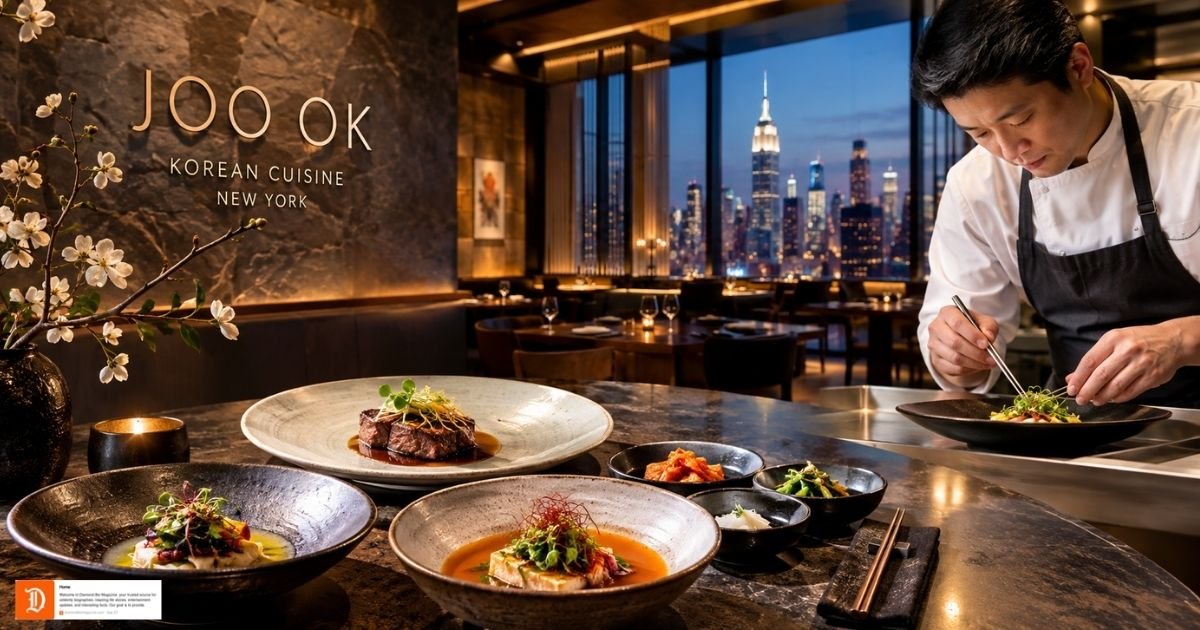
New York City diners looking for fine Korean cuisine have a name of interest: Joo Ok. Rather than serving Korean food as a static tradition, the restaurant presents it from a more modern fine-dining perspective, combining familiar Korean flavors with refined plating, seasonal produce and precise cooking technique. That approach has helped place Joo Ok in a unique position in discussions of contemporary Korean food.
Chef Shin Chang-ho is the heart of the restaurant’s identity and his cooking is steeped in Korean culinary traditions but open to creativity and reinterpretation. His work shows how the ingredients and flavors of Korean cuisine can be presented in an elegant format without losing their cultural character.
For those seeking Joo Ok, the interest is more than a restaurant recommendation. Its chef, culinary philosophy, menu style, New York setting and reputation all come together to be a draw. Knowing these things gives a better idea of what makes the restaurant interesting and why it has garnered the interest of food lovers interested in modern Korean fine dining.
Joo Ok and Its Role in New York’s Korean Food Scene
New York City used to have a wide variety of Korean restaurants, from casual barbecue to traditional fare to very polished fine-dining spots. In that broad scene, Joo Ok represents a more refined interpretation of Korean cuisine.
The philosophy of the restaurant is to translate the ideas of Korean cuisine into a fine-dining setting. It’s more about ingredients and the balance, technique and presentation, instead of just staying with familiar dishes.
This distinction is important because Korean food today is becoming more and more popular outside of Korea. Chefs working in this space often play with how traditional ingredients and cooking techniques can be applied to modern diners while still holding a connection to Korean food culture.
Joo Ok is a natural fit for this movement. What’s appealing is the combination of Korean identity and the presentation of the food in a contemporary fashion, not the replication of traditional dishes.
Chef Shin Chang-ho and his culinary philosophy
Chef Shin Chang-ho is a central character in Joo Ok’s story. His cooking is rooted in Korean food traditions, but it’s his methodology that lets those traditions shine through modern fine-dining techniques.
Ingredients are more than ingredients on a plate to a chef working at this level. Texture, temperature, seasoning, aroma, and presentation all play a role in the total experience. Korean food is especially fertile ground for this kind of exploration, with its huge variety of fermented foods, vegetables, grains, seafood, meats, broths, sauces and seasonings.
Korean cooking is full of fermentation. You can get acidity, saltiness, spice and umami from things like fermented soybean products, chili pastes and kimchi. Those flavors are available to a modern chef, but they can be presented differently or combined with ingredients and techniques associated with international fine dining.
It’s one of the reasons that diners beyond Korea are increasingly attracted to chef-driven Korean restaurants, a mix of tradition and creativity.
Dining Experience at Joo Ok
It is not just individual dishes that make Joo Ok appealing. Fine dining often is about the progression of the meal from one course to the next, and the restaurant’s approach focuses on that larger experience.
A well crafted tasting menu can take diners on a mindful progression of flavors. Instead of viewing each dish as a separate entity, chefs can connect courses through ingredients, sauces, textures and seasonal themes.
This can also be an introduction to flavors not typically found in Korean-American restaurants for guests not acquainted with sophisticated Korean cuisine. Traditional ingredients can be more easily embraced when they are part of a well thought-out menu.
Presentation is also very important. Korean fine dining today is often plated in a minimalist way, highlighting the food attractively and letting it speak for itself. This creates a dichotomy of visual simplicity with a complexity of flavors behind it.
That attention to detail is part of what has garnered interest in Joo Ok among those seeking memorable Korean dining in New York.
A blend of Korean tradition and contemporary fine dining
One of the most interesting things about Joo Ok is that it reflects the development of Korean food. Traditional food does not have to be frozen to retain its identity.
Across the globe, chefs are discovering new ways to tell their culinary stories in the restaurant world. Some focus on seasonal sourcing, refined plating or unexpected combinations, while others use modern cooking equipment and techniques.
Korean food is particularly suited for this development. Its culinary traditions already feature many complex techniques such as fermentation, preservation, slow cooking, grilling and the careful preparation of vegetables and seafood.
So a modern restaurant can build on a firm foundation, rather than starting from scratch.
It gives diners a chance to experience Korean flavors from a different point of view. Those familiar with Korean cuisine will recognize the ingredients and tastes, while those new to the cuisine will find those elements in a more formal setting.
That combination of the familiar and the new is key to the allure surrounding Joo Ok.
Why Joo Ok Continues to Draw Attention
Joo Ok has interesting sources of variety. Korean food is gaining more visibility internationally and New York continues to be one of the most influential food cities in the world. Put these two things together and it’s no wonder a restaurant gets the attention of locals and tourists alike.
The fact that it’s a chef-driven restaurant matters, too. More and more diners today want to know the story behind a restaurant, who’s making the food, and the philosophy behind the menu.
That’s the kind of story Joo Ok brings through chef Shin Chang-ho and his take on Korean culinary traditions.
At the same time, the restaurant symbolizes a larger shift in the experience of Korean food around the world. Korean food is no longer just casual formats or a small group of familiar dishes. It could fill the world of tasting menus, fine dining, creative plating and ingredient-driven food.
For food lovers researching Joo Ok, that wider context is as interesting as the restaurant itself.
Conclusion
Joo Ok is a contemporary interpretation of Korean food that retains the traditional flavors and serves them in the vernacular of modern fine dining. And that identity is focused on the influence of Chef Shin Chang-ho, who blends his Korean culinary heritage with the sophistication of a New York dining experience.
Joo Ok is a great example for those interested in Korean fine dining, where traditional cuisine evolves while still retaining a sense of identity. It’s an interesting name in New York’s food scene because of its mix of culinary heritage, technique, presentation and chef-driven creativity.
Frequently Asked Questions
What is Joo Ok famous for?
Joo Ok is known for its contemporary take on Korean cuisine, mixing traditional Korean flavors and ingredients with elegant fine-dining techniques and presentation.
Who is the chef of Joo Ok?
Joo Ok has a strong connection to Chef Shin Chang-ho. He is inspired by Korean food traditions but employs contemporary techniques and presentation.
Is that a Korean joint?
Yes. Joo Ok is all about Korean cuisine, specifically a sophisticated and modern take on Korean cooking.
What sets Korean fine dining apart?
Korean fine dining can marry traditional ingredients and techniques with contemporary presentation and cooking, seasonal cooking, tasting menu formats and international culinary approaches.
What draws Joo Ok’s attention?
Joo Ok has caught the attention of food lovers for its chef-driven approach, contemporary Korean cuisine and its place in New York’s competitive fine-dining scene.
Does Joo Ok know about traditional Korean flavors?
Its culinary identity is based on Korean traditions, enabling the flavors to be presented and interpreted in a modern manner.