
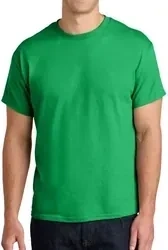

A well-made t-shirt is one of the few garments that can go from a morning run to a casual dinner without looking out of place. Yet for something so simple on the surface, the difference between a shirt that gets worn constantly and one that gets buried in a drawer comes down to a handful of specific decisions made long before the garment reaches a store shelf.
Why the T-Shirt Is One of the Most Technically Versatile Garments
The t-shirt’s apparent simplicity is deceptive. Its construction involves choices about fiber, weight, knit structure, cut, and decoration that interact in ways most wearers never consciously notice but always feel. A shirt that fits well in the shoulders but pulls across the chest, or one with a print that cracks after three washes, communicates quality failure without a single word. That’s why understanding what goes into a great t-shirt matters whether you’re buying one or designing a hundred.
Cotton, Polyester, and Blended Fabrics: Understanding the Differences
Fabric choice is the foundation of everything else. According to Cotton Incorporated and COTTON USA’s 2025 Global Lifestyle Monitor Survey, 3 in 4 consumers prefer clothing made of cotton, cotton blends, or denim, far ahead of manmade fibers like polyester, spandex, and rayon. That preference isn’t arbitrary. Cotton breathes, softens with washing, and sits comfortably against the skin in a way that most synthetics still can’t replicate for all-day wear.
Polyester has genuine strengths in the right context. It resists shrinkage, holds color well, and handles moisture better than cotton during high-output physical activity. The tradeoff is thermal comfort: polyester traps heat and can feel clammy in warm weather, which for everyday casual wear is a significant drawback.
How Fabric Weight Influences Comfort and Appearance
Fabric weight, measured in grams per square meter (GSM), shapes how a shirt drapes, holds its structure, and feels against the skin. Lightweight shirts in the 130 to 150 GSM range are breathable and easy to layer, but they tend to be semi-transparent and less durable over time. Mid-weight shirts, typically 160 to 200 GSM, are the most common choice for everyday wear. They hold their shape, stay opaque enough to wear alone, and last through years of regular use.
Heavier shirts above 200 GSM have a premium, structured feel that reads as higher quality. They hold prints well and resist pilling. But they run warm, which makes them less appealing in hot climates or for active use.
The right weight also depends on the end use. A shirt built for outdoor events in Phoenix in July calls for a different spec than one intended for layering in Chicago in November. Context matters more than most people think.
The Relationship Between Fit, Cut, and Everyday Wearability
Fit is where technical decisions become personal. A shirt can be made from excellent fabric and still hang wrong. The most common fit categories include:
- Classic fit: Relaxed through the chest and torso, with a straight hem. Comfortable for a wide range of body types and appropriate across casual and semi-formal contexts.
- Athletic fit: Tapered from the chest to the waist, with a slightly shorter hem. Works well for broader shoulders and a more defined silhouette.
- Oversized fit: Deliberately dropped shoulders and an extended body length. Popular in streetwear and lifestyle branding.
- Fitted: Closer to the body throughout, with less ease in the torso. Reads as more polished but less forgiving of fit inconsistencies.
Beyond category, the details matter: shoulder seam placement, sleeve length, side seam construction, and collar rib weight all affect how a shirt looks and wears. A collar that stretches out after a few washes, or a shoulder seam sitting an inch off the natural shoulder line, undermines everything else about the garment.
Screen Printing, Direct-to-Film, and Other Decoration Methods
Decoration is often where a good shirt becomes a great one, or where quality falls apart.
Screen Printing
Screen printing remains the dominant method for high-volume custom work. The screen-printing segment led the U.S. custom t-shirt printing market in 2023 with the largest revenue share of more than 56%, largely because screen printing delivers excellent detailing for custom and complex designs. Each color requires a separate screen, so setup costs run higher, but the per-unit cost drops sharply at volume. The ink sits on top of the fabric and produces vivid, long-lasting color. Properly cured screen prints can outlast the garment itself.
Direct-to-Film (DTF)
DTF printing transfers a design from a printed film to the garment using heat and pressure. It handles full-color, photographic, and fine-detail designs without the per-color setup costs of screen printing. Industry analysis frames DTF as complementary to screen printing, particularly for fine detail and low-quantity jobs, rather than a replacement. For small runs or designs with gradients and complex artwork, DTF delivers results that screen printing can’t match at a comparable cost.
Direct-to-Garment (DTG)
DTG prints directly onto the fabric using inkjet technology. It excels at one-off and short-run orders with photographic complexity. The limitation is wash durability: DTG prints require proper pretreatment and curing to hold up, and they generally don’t last as long as screen-printed designs on comparable fabrics.
When evaluating custom printed t-shirts, the decoration method should match the design complexity, order quantity, and expected garment lifespan. A five-color photographic print on 12 shirts calls for a different process than a two-color logo on 500.
Why Washing and Garment Care Matter for Long-Term Quality
A shirt’s quality isn’t just about how it comes out of the box. It’s about how it holds up after 50 washes. Shrinkage, color fading, print cracking, and collar distortion are all signs of either low-quality construction or improper care, and sometimes both.
Pre-shrunk fabrics reduce but don’t eliminate shrinkage. Washing in cold water and skipping high-heat drying extends the life of both the fabric and the decoration. Turning shirts inside out before washing protects printed surfaces from abrasion. These aren’t complicated steps, but they make a measurable difference in how long a shirt stays in rotation.
What Designers Should Consider Before Developing a T-Shirt Collection
Launching a t-shirt line involves more decisions than most people anticipate. Fabric, weight, fit, decoration method, and colorway all interact. A design that looks great on screen may not translate well to a 180 GSM jersey in a particular color, and a printing method that works for one design may be the wrong call for another.
Start with the end use. A uniform program for a restaurant group in Miami has different requirements than a limited-edition drop for a streetwear brand in Portland. Fabric weight, fit, and decoration method should all follow from that context, not precede it.
The Takeaway
The t-shirts that earn a permanent spot in someone’s wardrobe share a common thread: every detail was considered, not just the obvious ones. Fabric weight, fit geometry, decoration method, and care durability work together as a system. Getting one right while ignoring the others produces a shirt that almost works. Getting all of them right produces something people actually wear.