


Winter doesn’t have to put your running routine on hold. With the right footwear, you can continue enjoying outdoor runs, morning jogs, and everyday workouts even when temperatures drop. However, cold-weather running comes with a few extra considerations. Chilly air, damp paths, and slippery surfaces can affect how comfortable and confident you feel with every step.
Lightweight running shoes for winter should balance comfort, grip, and support without adding unnecessary weight. Choosing the right pair starts with understanding where you run, what conditions you face, and which shoe features matter most. Brands like ALLSWIFIT offer lightweight running styles worth exploring, but it’s important to match any shoe to your actual winter running conditions.
Why Choose Lightweight Running Shoes for Winter?
Heavy footwear can feel restrictive during a run, especially when you’re used to moving at a steady pace. Lightweight running shoes help maintain a more natural feel underfoot, making them a practical option for everyday training in cooler weather.
Their benefits depend on the shoe’s construction and intended use. A well-fitting pair can support comfortable movement while helping you stay consistent with your routine.
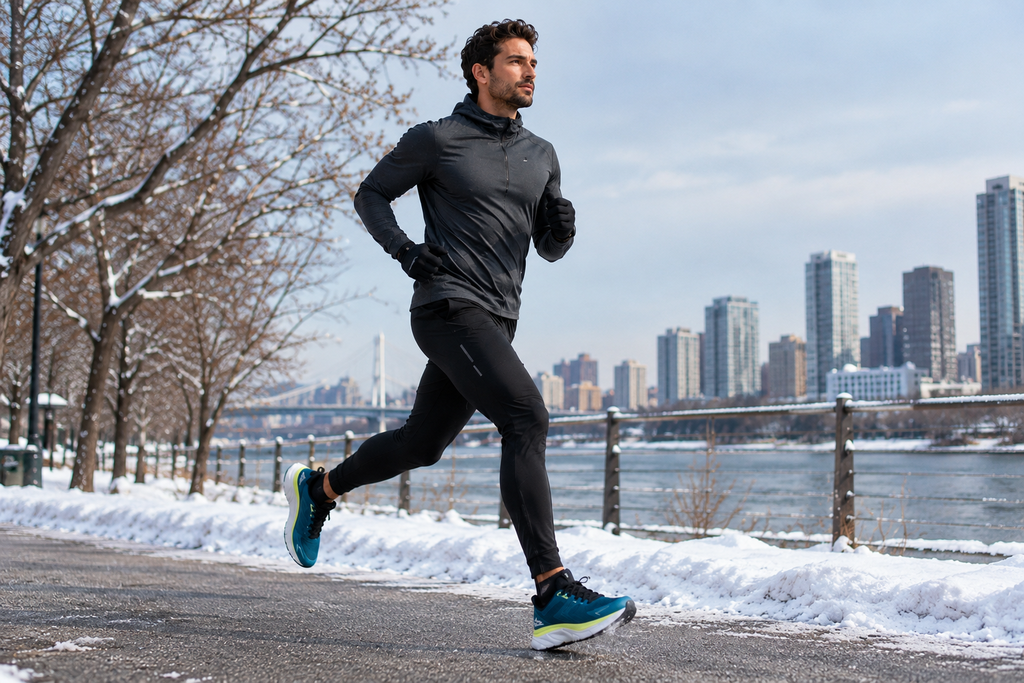
Lightweight running shoes may be a good choice for winter if you:
- Prefer a less bulky feel during everyday runs.
- I want comfortable footwear for short jogs and regular training.
- Need a versatile pair for running and other daily activities.
- Prefer breathable materials rather than heavily insulated footwear in mild winter weather.
Keep in mind that lightweight construction alone doesn’t make a shoe suitable for snow, ice, or freezing rain. Weather protection and outsole traction are equally important when conditions become challenging.
1. Look for Comfort and a Secure Fit
Cold-weather runs can feel uncomfortable when your shoes are too tight or don’t provide enough cushioning. Your feet should feel supported without being squeezed, and your toes should have enough room to move naturally.
When trying on lightweight running shoes, check the fit around the heel, midfoot, and toe box. Your heel should feel secure without excessive slipping, while the front of the shoe should allow a little space beyond your longest toe.
Also consider the socks you’ll wear during winter. If you prefer thicker running socks, try them on with your shoes before making a decision. A fit that feels comfortable with thin socks may become restrictive with heavier ones.
Cushioning matters, too. Choose a level that feels comfortable for your running style and typical distance. More cushioning isn’t automatically better for every runner, so focus on a balanced feel rather than selecting a shoe based on softness alone.
2. Prioritize Grip on Damp and Slippery Paths
Traction is one of the most important features to consider when running outdoors in winter. Rain, wet leaves, muddy paths, and occasional frost can make familiar routes more challenging.
Look for an outsole with a rubber compound and tread pattern suited to the surfaces you use most often. For ordinary roads and paved paths, dependable everyday traction may be enough in dry or mildly damp conditions. Uneven trails and muddy routes may require more pronounced lugs for better purchase.
However, regular running-shoe traction is not a guarantee of safety on ice. If your route has icy patches or packed snow, consider winter-specific running shoes or compatible traction devices designed for those conditions. Avoid assuming that a shoe is winter-ready simply because its outsole looks rugged.
It’s also sensible to adjust your pace on slippery surfaces, take shorter steps, and choose cleared routes whenever possible.
3. Balance Lightweight Design With Support
Lightweight shoes should still provide the support you need for your running style. A shoe that feels light but lacks a secure fit or suitable structure may become uncomfortable over longer distances.
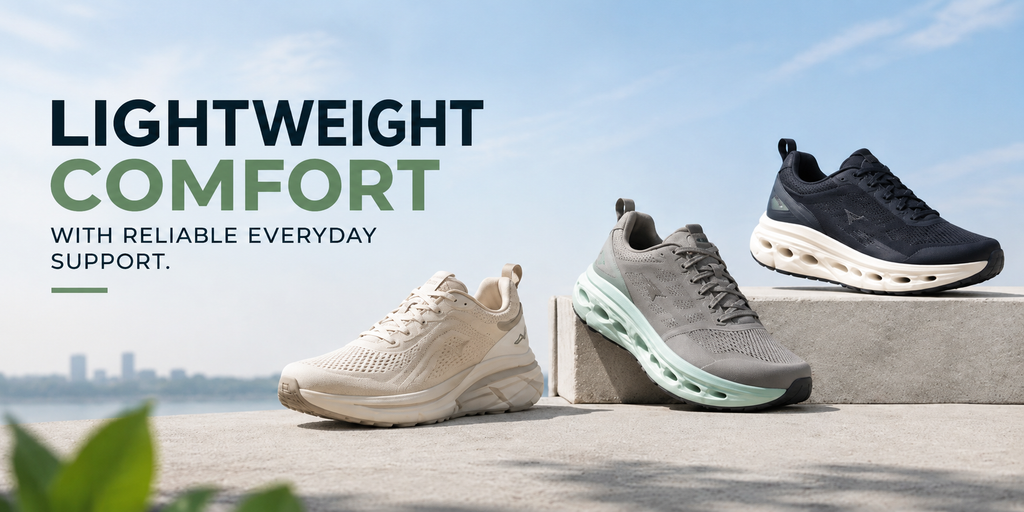
Pay attention to how the shoe holds your foot during movement. The midfoot should feel secure, and the heel should remain in place without rubbing. If you need additional arch support or a wider fit, look for models that accommodate those preferences.
Your running surface also matters. Flat pavement may require different features from uneven park trails, where stability and outsole design become especially important. If you regularly run on challenging terrain, prioritize appropriate traction and support over the lowest possible shoe weight.
The goal is to find footwear that feels light while still providing a stable, comfortable ride.
4. Consider Breathability and Weather Protection
Breathability is useful during winter workouts because your feet can still become warm as your activity level increases. Mesh uppers allow airflow and can help prevent excessive heat buildup during runs.
However, highly breathable materials may offer limited protection against rain, slush, and cold wind. Your choice should reflect your local weather. For dry, cool mornings, a breathable running shoe may work well. For wet trails, heavy rain, or snowy routes, a weather-resistant model designed for those conditions may be more appropriate.
Don’t overlook drying time, either. If your shoes become damp, allow them to dry thoroughly before your next run. Removing the insoles, when possible, and letting the shoes air-dry away from direct heat can help maintain their condition.
5. Explore Lightweight Running Options From ALLSWIFIT
If you’re looking for lightweight footwear for everyday runs and workouts, ALLSWIFIT offers several men’s running shoe options worth exploring. The ActiveAiry Men’s Breathable Lightweight Running Shoes are worth considering if breathability is a priority. Another option is the ActiveSolid Men’s Slip-On Running Shoes, which feature a convenient slip-on design.
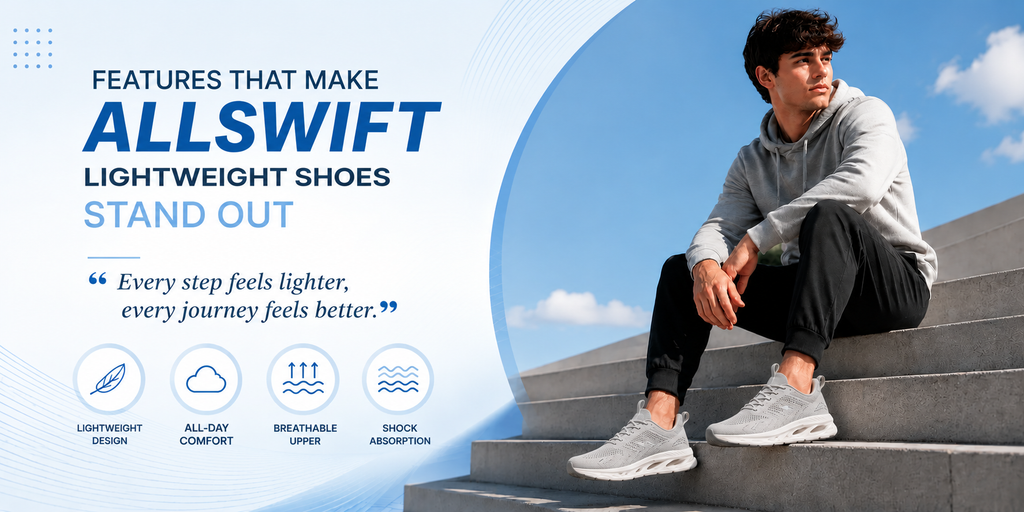
You can also explore the Men’s Bouncy Lightweight Running Shoes when comparing lightweight running styles. Before choosing a pair for winter, review the individual product details, including fit, outsole traction, and intended use.
These styles may suit everyday running in cool, dry conditions. However, lightweight construction alone doesn’t guarantee waterproofing, insulation, or reliable grip on ice. Choose shoes according to your local winter weather and running surfaces.
6. Prepare Your Shoes and Routine for Winter Runs
Even suitable running shoes work best when you adjust your routine to the weather. A few practical habits can make outdoor workouts more comfortable.
Before heading out, check the forecast and inspect your usual route for ice, standing water, or other hazards. Wear moisture-managing running socks and dress in layers that you can adjust as your body warms up.
After each run, remove dirt and moisture from your shoes. Let them air-dry naturally, and check the outsole regularly for worn tread. If the grip has deteriorated, it may be time to replace the pair.
Most importantly, don’t push through unsafe conditions. When roads and paths are icy, moving your workout indoors may be a better choice than risking a fall.
Find the Right Balance for Winter Running
Choosing lightweight running shoes for winter means looking beyond weight alone. Comfort, secure fit, cushioning, traction, and weather protection all influence how well a pair suits your needs.
For dry, cool days, lightweight and breathable running shoes may be a practical option. If you frequently encounter snow, ice, or wet trails, choose footwear designed to handle those conditions rather than relying on an everyday running shoe.
As you explore options from ALLSWIFIT, compare the features of each model with your running habits and local weather. The right choice will help you approach winter training with greater comfort and confidence – one step at a time.
Frequently Asked Questions
1. Can you wear lightweight running shoes in winter?
Yes, lightweight running shoes can work well for winter runs in cool, dry conditions. For snow, ice, or heavy rain, choose footwear specifically designed to provide suitable traction and weather protection.
2. What features should winter running shoes have?
Look for a comfortable fit, dependable outsole traction, suitable cushioning, and materials that match your local weather. Water resistance and insulation may also be useful in colder, wetter conditions.
3. Are lightweight running shoes good for running on wet roads?
They can be suitable for mildly wet roads if their outsoles provide adequate traction. However, grip varies by shoe, and ordinary running shoes may not offer enough traction on slippery surfaces or icy patches.
4. Do lightweight running shoes keep your feet warm in winter?
Not necessarily. Lightweight running shoes often prioritize breathability and reduced bulk rather than insulation. For very cold conditions, consider shoes designed for winter running and pair them with appropriate running socks.
5. Are lightweight running shoes suitable for running in snow?
Not all lightweight running shoes are suitable for snow. Snowy routes may require deeper outsole lugs, weather-resistant materials, and better protection from cold and moisture. Icy surfaces may require additional traction equipment.
6. How should running shoes fit when wearing winter socks?
Your shoes should feel secure around the heel and midfoot while leaving enough room for your toes to move comfortably. Try them on with the socks you plan to wear during winter runs to avoid a tight or restrictive fit.
7. How can you maintain lightweight running shoes during winter?
Remove dirt and moisture after each run, take out the insoles if possible, and let the shoes air-dry away from direct heat. Check the outsole regularly for wear, as worn tread can reduce traction.