
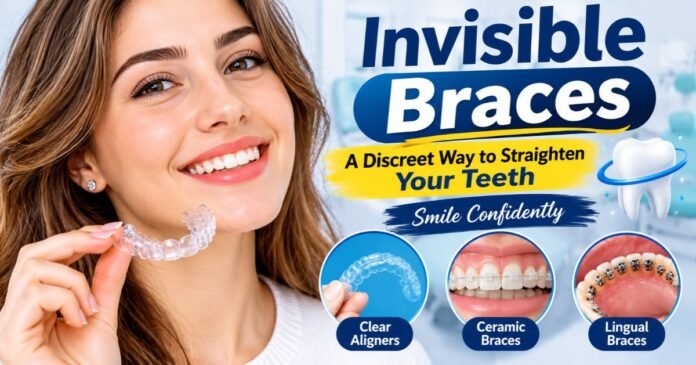

A confident smile that is straight can leave a lasting impression. But not everyone likes the look of traditional metal braces. Visible braces and wires can impact how people feel about their appearance, especially regarding work meetings, social gatherings, photographs and everyday conversations.Thankfully there are several ways modern orthodontics can improve tooth alignment without making treatment the focus of attention.
Invisible Braces are popular for those who want straighter teeth but want to maintain a natural looking smile during treatment.Depending on the individual’s dental needs, these options can include clear removable aligners, ceramic braces and lingual braces which are placed behind the teeth.
But choosing the right treatment is more than skin deep. Important factors include comfort, duration of treatment, oral hygiene, cost and complexity of dental problems. Some options are more flexible, some give better control over difficult tooth movements.
Knowing how these treatments work can help you make a more informed decision.In this guide we will look at the different types of discreet orthodontic treatments, their pros and cons and what you should consider before embarking on your journey to a healthier, straighter smile.
Learn About the Different Types of Invisible Braces
Invisible orthodontics are designed to shift teeth to better positions without the obvious appearance of metal braces.They have the same general purpose, but their design and the way they are treated are different.
The three main options include clear aligners, ceramic braces, and lingual braces.
1. Clear Aligners
Clear aligners are transparent plastic trays custom-made to fit over your teeth. They gradually apply controlled pressure to move individual teeth into their planned positions.
Patients are given a series of aligners and move to the next set as instructed by their orthodontist.The trays are removable so you can take them out to eat, drink anything other than water, and brush.
One of their strongest advantages is their discreet appearance. Most people will not notice them during ordinary conversations unless they look closely.
But clear aligners require commitment. They generally need to be worn for approximately 20–22 hours daily, depending on the treatment plan.
2. Ceramic Braces:
Ceramic braces are similar to traditional metal braces in that they apply pressure to your teeth. Instead of metal, though, the brackets are either the color of your teeth or transparent so they’re less noticeable.
A thin orthodontic wire connects the brackets and gradually moves the teeth into position.
They are fixed appliances i.e. they cannot be removed by the patient. This makes them useful for people who might struggle to wear removable aligners consistently.
Ceramic braces can fix more types of alignment problems than some simpler aligner treatments. However, they need to be cleaned carefully, and some foods can stain portions.
3. Lingual Braces
Lingual braces are attached to the back surfaces of the teeth rather than the front. This positioning makes them almost completely hidden when someone smiles.
These are molded to the patient’s teeth and can be used to correct a variety of orthodontic problems.
Biggest benefit of them is esthetics, especially for those who want fixed option without visible brackets.
Lingual braces can also be more costly than other choices. They may also irritate the tongue and temporarily affect speech while the mouth adjusts.
Braces That Are Invisible: Pros & Cons
There are a number of benefits of modern discreet orthodontic treatments but they aren’t perfect for everyone.By understanding both sides, you can choose an option that is compatible with your lifestyle and dental needs.
Key benefits include:
- Discreet appearance: Clear aligners and tooth-coloured brackets are less noticeable than conventional metal braces.
- Improved confidence: Many people feel more comfortable smiling and speaking during treatment.
- Flexible eating: Removable aligners can be taken out before meals, allowing patients to enjoy their usual foods.
- Better cleaning access: Aligners can be removed for brushing and flossing, making daily oral hygiene easier.
- Different treatment choices: Patients can explore removable and fixed orthodontic options depending on their needs.
There are also some limitations worth considering.
Clear aligners require discipline because forgetting to wear them can set back progress.Ceramic braces can chip or stain. Lingual braces can be more difficult to clean.
All ortho treatments can result in temporary pressure or soreness, especially when beginning treatment or changing aligners.
The best choice depends on the condition of your teeth, your expectations and your ability to follow the treatment instructions.
Daily Life While Getting Invisible Braces
This is one reason that people turn to discreet orthodontics: the treatment can be built into their daily routines without too much of a change in their appearance.
Nevertheless, a few adjustments are necessary, especially during the first days.
Speaking and social situations: Lingual braces and clear aligners may have a temporary impact on your speech.A few patients develop a slight lisp but speech usually improves as they get used to the appliance.
Eating and drinking: Removable aligners should generally be taken out before eating. Water is usually suitable while wearing them, but other drinks may stain the trays or expose teeth to sugar and acids. Fixed braces require avoiding particularly hard, sticky, or chewy foods.
Oral hygiene: Brushing twice daily and cleaning between teeth remain essential. Aligners should also be cleaned according to professional instructions before being placed back in the mouth.
Work and travel: Most people can continue their usual professional and social activities. However, aligner users should carry their storage case and maintain their cleaning routine when travelling.
Exercise and sports: Patients participating in contact sports should follow their orthodontist’s advice about suitable mouthguards and appliance protection.
Consistency is key in terms of treatment. Small daily habits can make a significant difference to the overall experience and results.
Cost, Treatment Duration and Selecting the Right Provider
The price for discreet orthodontic treatments ranges widely.Factors such as the appliance type, the complexity of the tooth movement, provider experience, and the duration of treatment can all play a role.
Clear aligners can be cheaper in simple cases but customized lingual braces can be more expensive.Generally, ceramic braces are mid-range treatment options but the prices vary depending on the location and clinic.
Treatment time also depends on the individual circumstances. Some minor alignment problems may take several months, while more complicated cases can require a year or longer.
Before choosing a provider, consider the following points:
- Professional assessment: A dentist or orthodontist should examine your teeth, gums, and bite before recommending treatment.
- Diagnostic records: Appropriate photographs, dental scans, and X-rays may be needed to understand your dental condition.
- Personalised treatment plan: Your provider should explain the expected movements, estimated duration, and possible limitations.
- Regular monitoring: Progress should be reviewed throughout treatment so adjustments can be made when necessary.
- Aftercare arrangements: Retainers are often required after treatment to help prevent teeth from shifting back.
Be careful of treatment providers that promise perfect results without a proper dental check-up.Moving teeth without professional supervision can cause problems with the root, gum and supporting bone.
A qualified professional will be able to tell you if removable aligners, ceramic braces, lingual braces or conventional braces are best suited to your specific case.
Conclusion
Invisible Braces are a great option for people who want to improve their tooth alignment with relatively discreet orthodontic treatment.Clear aligners are flexible and convenient, ceramic braces are a fixed, less visible option, and lingual braces hide the appliance behind the teeth.
But no single treatment works best for everyone. Dental complexity, lifestyle, budget, and personal preferences should all influence the decision.
The key is to have a proper assessment from a qualified dental professional.A healthier, more confident smile can be a manageable part of everyday life with the right treatment plan, realistic expectations and consistent care.
Frequently Asked Questions (FAQs)
1. What are Invisible Braces?
They are orthodontic treatments designed to straighten teeth with less visible appliances. Common options include clear aligners, ceramic braces, and lingual braces.
2. Are clear aligners better than traditional braces?
Clear aligners offer greater convenience and a discreet appearance for suitable cases. However, traditional braces may provide better control for certain complex dental problems.
3. How long does invisible orthodontic treatment take?
Treatment can take several months to more than a year. The exact duration depends on tooth alignment, bite problems, and the chosen appliance.
4. Can I eat normally with clear aligners?
Yes. You should remove clear aligners before eating and clean your teeth before putting them back. Water is generally the only recommended drink while wearing them.
5. Are invisible orthodontic treatments painful?
Some pressure, tenderness, or mild soreness is normal, particularly when beginning treatment or switching to a new aligner. Significant or persistent pain should be discussed with your dentist.
6. Can adults use invisible braces?
Yes. Adults can receive orthodontic treatment at different ages, provided their teeth and gums are healthy enough for the planned treatment.
7. Do I need retainers after treatment?
Yes, in most cases. Retainers help maintain the new tooth positions and reduce the risk of teeth gradually moving back.