
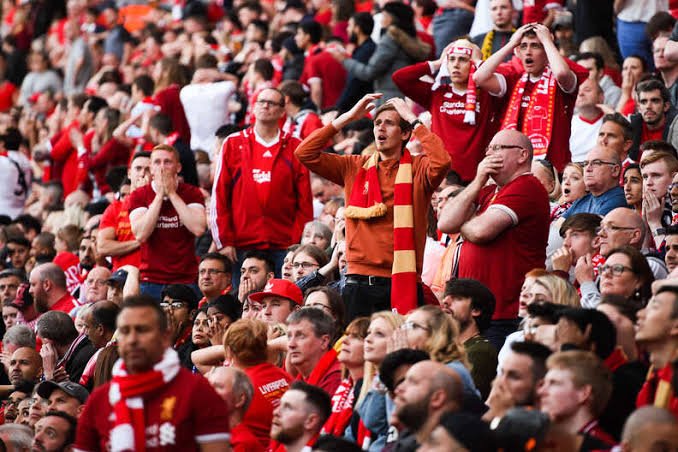

Executing an ambitious itinerary that marries the refined cultural institutions of the United Kingdom with the visceral intensity of top-flight English football is a sophisticated logistical undertaking. For international sports tourists and domestic travellers looking to blend morning visits to national galleries with afternoon kick-offs in 2026, the modern matchday demands absolute operational precision. The romanticised era of casually strolling from a central museum to a stadium box office to purchase a paper stub is entirely obsolete. Today, top-tier football venues function as highly fortified digital perimeters, governed by strict municipal security mandates, automated electronic turnstiles, and zero-tolerance baggage policies. Harmonising a cultural excursion with a sporting event requires navigating commuter transit corridors, managing commercial left-luggage drops, and securing heavily encrypted mobile entry passes well in advance. Attempting to manage a dual-purpose itinerary without mastering the structural scarcity of primary club distribution or the technological rules of Near Field Communication entry frequently results in severe perimeter delays and turnstile rejections. By treating stadium admission with the same rigorous forward planning applied to booking international flights or premium theatre access, cultural tourists can guarantee a seamless transition from the quiet halls of British museums to the deafening roar of the stadium terraces.
The Operational Realities of Primary Market Distribution
The foremost hurdle confronting visitors attempting to integrate sports into a broader cultural holiday is the severe structural scarcity of primary seating inventory. Elite football organisations across the country do not operate general public sales windows for competitive domestic fixtures. Instead, access is strictly rationed through mandatory paid annual membership subscriptions. These non-refundable membership tiers do not guarantee a seat; they merely grant the registered profile the eligibility to enter randomised digital lotteries conducted roughly six weeks prior to the scheduled matchdate. For international travellers coordinating non-refundable hotel accommodations and fixed museum tours, this system introduces massive logistical instability.
When high-profile Category A fixtures against traditional rivals are scheduled, ballot success rates routinely plummet below five percent. Consequently, casual sports tourists who attempt to secure english premier league tickets directly through official club channels are systematically forced to purchase memberships with near-zero mathematical probability of success. Faced with these insurmountable primary distribution bottlenecks, visitors must exercise extreme caution to avoid the pervasive hazards of unregulated ticket trading. Under Section 166 of the Criminal Justice and Public Order Act 1994, the unauthorised resale of football tickets is a codified criminal offence throughout England and Wales. Desperate fans seeking access across unverified social media accounts or public message boards frequently encounter sophisticated fraud syndicates distributing cloned access links that trigger immediate red lights at the gates. International supporters coordinating multi-venue travel must recognise that sourcing authenticated credentials through regulated, escrow-backed platforms is the only lawful method to protect substantial travel investments from catastrophic failure.
Stadium Architecture, Turnstiles, and NFC Entry Protocols
Navigating the transition from central cultural hubs to a major sports ground requires an adaptable understanding of distinct architectural layouts and electronic entry protocols. Taking Arsenal’s Emirates Stadium in the London Borough of Islington as an operational benchmark, the venue perfectly illustrates the logistical requirements of modern attendance. Operating with a symmetrical 60,704-capacity four-tiered bowl, the stadium is divided into strictly segregated zones. The lower tier of the North Bank houses the most vocal chanting blocks, demanding relentless standing and active participation. Conversely, visiting away supporters are restricted to Blocks 20 to 22 in the south-east corner of the Clock End lower tier, capped at a strict 3,000-seat allocation for regular domestic league fixtures.
Entering these segregated zones requires absolute compliance with the stadium’s automated turnstile infrastructure. General admission seating is accessed via automated turnstile banks sequentially labelled A through S, with away fans funnelled exclusively through Turnstiles L and K to preserve perimeter segregation. Sourcing authentic football tickets premier league requires your mobile device to possess full Apple Wallet or Google Wallet integration. Physical paper tickets, printed PDF vouchers, and static screen captures are permanently invalid and will trigger an instant rejection at the reader heads. The perimeter gates open precisely at T-120 minutes prior to kick-off, executing a live cryptographic Near Field Communication handshake with the mobile device. Ensuring your smartphone has NFC enabled in the system settings and possesses a fully charged battery is non-negotiable for successfully clearing the outer security cordons after a long day of sightseeing.
Secondary Market Access and Ticket Verification
Given the statistical futility of primary ballot allocations, specialised secondary marketplaces provide an indispensable bridge for supporters executing dual-purpose cultural tours. In contrast to speculative peer-to-peer social media trading where counterfeiters operate anonymously, professional secondary platforms deploy automated buyer escrow architecture engineered to insulate consumer capital completely. When a groundhopper chooses to transact through an authenticated marketplace, the monetary settlement is held securely in an independent third-party escrow ledger. The seller receives absolutely no financial disbursement until the scheduled fixture has concluded and the digital NFC token has cleared the automated perimeter turnstile successfully. This operational framework completely neutralises duplicate selling, as fraudulent actors realise zero financial reward while facing permanent exclusion from the platform.
For international visitors coordinating tight weekend schedules that seamlessly transition from morning museum tours to afternoon kick-offs, utilising a vetted secondary exchange delivers vital transactional certainty. Groundhoppers requiring guaranteed entry can rely on audited platforms to secure verified tickets for premier league without navigating cumbersome club membership schemes. Securing passes through this protected framework guarantees that the technological chain of custody remains unbroken from the seller’s account directly into your mobile smartphone. Seasoned supporters who invest in epl tickets through verified exchanges bypass the hazards of anonymous online transfers and speculative markups. By utilising regulated secondary marketplaces, groundhoppers can budget accurately for premier league tickets, confident that every pass is cryptographically authenticated and backed by full financial guarantees. Furthermore, travellers monitoring premier league tickets uk across a multi-day itinerary can secure seats well in advance of their journey. Acquiring valid tickets for premier league through these protected digital avenues ensures that fans transition smoothly from the platform concourses into the stadium seating bowls. When evaluating premier league tickets for sale, verifying that the vendor issues native mobile wallet passes is mandatory to prevent gate rejection. Those who buy premier league tickets through these channels protect their hard-earned travel investments against sudden cancellations, ensuring their search for tickets for premier league results in guaranteed, frictionless stadium access.
Cultural Excursion Transit and Baggage Restrictions
The logistical backbone of combining cultural attractions with a football matchday relies heavily on proactive baggage management and strategic transit dispersal. Tourists spending their morning at the British Museum or the National Gallery inevitably acquire shopping bags, heavy rucksacks, or oversized camera equipment. However, Premier League stadiums enforce exceptionally strict counter-terrorism bag policies. The Emirates Stadium enforces an uncompromising A4 bag limit, prohibiting any items exceeding twenty-one by thirty by fifteen centimetres from passing the outer security perimeters. Because the venue provides absolutely zero on-site luggage storage facilities, arriving at the turnstiles with oversized cultural souvenirs will result in immediate denial of entry.
To navigate this restriction, supporters must utilise commercial left-luggage partners near major rail hubs such as King’s Cross St Pancras or Finsbury Park to deposit oversized items before travelling into the Islington borough. Factoring these commercial luggage drop times into your schedule is essential for avoiding turnstile delays. Furthermore, navigating the Piccadilly Line requires geographic awareness. Arsenal Station sits just three minutes from the North Bank but becomes an extreme post-match bottleneck, operating as an exit-only facility with stationary street queuing cordons frequently exceeding forty-five minutes. Holloway Road Station is entirely closed for ninety minutes post-match to prevent lethal platform crowding. The optimal transit strategy involves a fifteen-minute walk northeast to Finsbury Park Station, which offers rapid, high-capacity Victoria Line and National Rail services to disperse crowds efficiently back into central London. Additionally, the entire stadium campus operates on a 100% cashless basis, requiring contactless payment cards for all concourse catering and retail interactions.
Local Fan Hubs and Pre-Match Pub Strategy
Soaking up the authentic atmosphere inside historic public houses is an essential cultural component of any football tour, providing a sharp contrast to the quiet refinement of central London art galleries. However, navigating matchday pubs requires careful attention to localised licensing regulations. Establishments operating in the immediate vicinity of major stadiums enforce strict home-fans-only door policies, requiring arriving patrons to present a valid home section digital pass to security personnel before crossing the threshold.
Supporters looking for a traditional Irish pub experience prior to kick-off frequently gather at The Woodbine Irish Pub at 215 Blackstock Road, situated roughly fifteen minutes on foot from the stadium gates. Operating under a strict home-fans-only door policy, this rustic venue features reclaimed wooden interiors and a highly vocal pre-match environment. The bar staff pour excellent traditional stouts and manage the intense volume of chanting supporters with rapid contactless service, providing a deeply authentic acoustic immersion without the extreme physical crushing found in venues physically closer to the stadium podium.
For matchgoers seeking a more structured pre-match pacing environment, The Bank of Friendship at 226 Blackstock Road offers an exceptional alternative roughly fourteen minutes from the ground. Enforcing a rigorous home-fans-only entry check, this classic local boozer is heavily favoured by older, dedicated season ticket holders. It boasts a highly popular outdoor beer garden and an excellent real ale selection, allowing international visitors to engage in robust pre-match tactical discussions and enjoy premium local brewing before joining the heavy pedestrian flow marching toward the turnstiles.
Visiting away supporters, neutral tourists, and family groups looking for a secure staging ground can decompress safely at The Hercules, positioned at 504 Holloway Road approximately seventeen minutes west of the stadium. Operating a welcoming, neutral-to-away-friendly entry policy, this spacious, laid-back Irish pub provides a vital logistical haven for those wanting to avoid the intense home-fan segregation zones. It offers reasonable pricing and ample seating, allowing tourists to pace their pre-match food and drinks comfortably before executing a straightforward, secure walk toward the Clock End approaches.
Conclusion and Final Matchday Recommendations
Successfully integrating a top-flight football match into a comprehensive UK cultural itinerary relies entirely on technical preparation, transit awareness, and the strict utilisation of secure procurement networks. Navigating the completely paperless stadium environments demands that your mobile device is fully configured with a live NFC wallet pass, serving as your exclusive entry voucher. Attempting to bypass structural membership scarcity through unverified social media vendors invites catastrophic financial loss and guaranteed turnstile rejection due to automated barcode duplication scans. Securing verified premier league tickets early through escrow-backed professional exchanges ensures that buyers acquire optimal value whilst entirely insulating their capital from illicit digital counterfeiting. By coordinating commercial left-luggage drops to comply with strict A4 stadium baggage limits, utilizing strategic secondary transit hubs like Finsbury Park to bypass post-match congestion, and experiencing the raw hospitality of authentic local fan hubs, supporters can seamlessly blend the refinement of British cultural tourism with the electrifying, unmatched passion of English football.