

Introduction
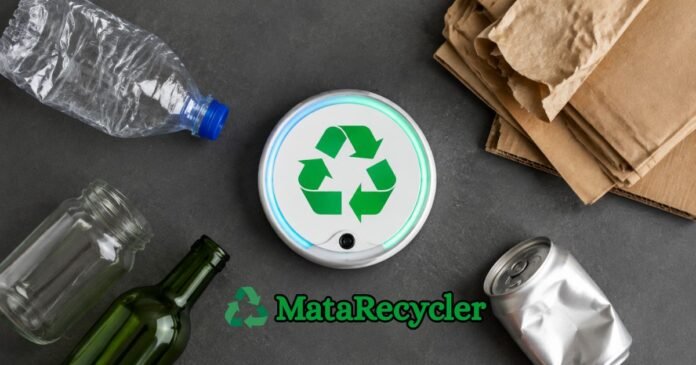
Recycling looks easy when we see a row of coloured bins. The difficult part begins after those bins are emptied. Bottles, cans, cardboard, food containers and unwanted household items often arrive at the same facility, sometimes in one messy pile. MataRecycler is designed to bring more order to that process by using modern technology to recognise and separate recyclable materials.
The idea behind it is practical rather than complicated. If paper, plastic, glass and metal can be identified earlier and sorted with greater care, fewer useful items will be thrown away. That means cleaner recycling loads, less pressure on landfill sites and a better chance of using old materials again.
Why Good Recycling Still Goes Wrong
A person may place a yoghurt pot in a recycling bin with the best intentions, but leftover food inside it can spread onto nearby paper. A glass jar may be recyclable in one area but unacceptable in another. Packaging made from plastic, foil and cardboard creates even more confusion because it does not belong neatly in a single category.
These small problems become serious when tonnes of waste arrive every day. Staff members can remove obvious mistakes, although they cannot inspect every item closely. Once the wrong materials become mixed together, part of the load may be too dirty or damaged to recycle.
How MataRecycler Deals With Mixed Materials
MataRecycler examines the waste moving through a sorting area and looks for the features that make each material different. Cameras or sensors may help recognise shapes, colours and surfaces. Magnets can collect certain metals, while other equipment guides paper, glass or plastic towards separate sections.
Not Every Plastic Is the Same
Plastic is one of the hardest materials to manage because the word describes many different products. A water bottle, shopping bag and takeaway tray may all be called plastic, but they are not necessarily processed together. Some are widely accepted by recycling facilities; others require specialist treatment.
A more careful identification system can reduce this confusion. It does not magically make every plastic recyclable, but it can stop suitable items from being lost among general rubbish. This difference matters when large volumes are being handled.
Paper, Glass and Metal Need Care Too
Paper loses much of its usefulness when it becomes wet or covered in grease. Broken glass needs safe handling, and metals must be separated before they can be melted and reused. Each material therefore needs its own route through the recycling process.
By sending items in the right direction, MataRecycler can help create cleaner groups of recovered material. Recycling companies can then prepare those materials for another stage instead of spending extra time removing avoidable contamination.
A System With Several Possible Users
At home, the technology could make recycling less frustrating for people who are unsure where an item belongs. It may also catch simple mistakes before the contents of a bin reach the final processing stage. Households would still need to empty containers and follow local recycling instructions.
Businesses may see a different benefit. A café handles bottles, tins, cartons and takeaway packaging, while an office mainly deals with paper, boxes and delivery materials. Factories and warehouses may produce larger quantities of cardboard, metal or plastic wrapping. A sorting system that fits the type of waste being produced could make collection more organised.
Local councils also have to manage rubbish from thousands of homes. Better separation may allow them to recover more material from existing collections without placing all the responsibility on individual residents. It could also show which types of waste are commonly placed in the wrong bins.
What Technology Cannot Do Alone
Even good machinery has limits. A container full of food can damage paper before the sorting process begins, while batteries and chemicals may create a fire or safety risk. Electrical products also need special collection in many places and should not be mixed with ordinary household recycling.
For that reason, responsible waste habits remain important. People need clear instructions, suitable bins and convenient collection points. MataRecycler can improve what happens after disposal, but sensible choices at home and work give the system a much better starting point.
Conclusion: A Practical Role for MataRecycler
MataRecycler focuses on one of recycling’s biggest everyday problems: useful materials are often lost because they reach the wrong place. More accurate separation can protect paper, plastic, glass and metal from unnecessary contamination.
The system could support households, companies, industrial sites and local authorities without asking them to manage waste in exactly the same way. Its real value lies in making recycling more workable—one correctly sorted bottle, box or can at a time.
Frequently Asked Questions
What is MataRecycler?
It is a technology-led system intended to identify and separate common recyclable materials.
What types of waste can it recognise?
It can help sort materials such as paper, plastic, glass and metal, depending on the equipment installed.
Can it recycle every plastic product?
No. Some plastics need specialist processing or may not be accepted by local facilities.
Is the system useful for businesses?
Yes. Offices, cafés, shops, warehouses and factories could use it according to the waste they produce.
Do people still need to sort their rubbish?
Yes. Emptying containers and following local rules helps prevent contamination before waste reaches the system.